For some of us, there’s this feeling that eventually no one will want to create original music from scratch. That no one will want to put in the extra effort it takes to make something great and original. That the writing and recording process of making music will be dwindled down to writing a good prompt. That real musicians will be replaced by those who dive into learning how to write better songwriting prompts.
AI Can Do It Better, So Why Bother?
I don’t necessarily feel that way all the time. I mean, playing and learning the guitar (or any instrument) will ALWAYS be fun – period. So, the “AI” can play it better. Or, it can come up with far better lyric possibilities. Sure, in a lot of cases, but it can’t create the joy I feel from writing and playing the music myself. I think this feeling, however, comes from the “follow-on feeling” of: if AI can do it better than me, then why should I do it at all? Who will care? Who will bother listening?
Although I tend to go down that “Why Bother?” road on occasion, I still feel that there will always be those of us who will ALWAYS enjoy messing around in our home studios on our own, without the assistance of AI. Sure, we might throw in some loops, program some drums, play the trumpet or tuba using a keyboard, or arpeggiate something here and there. Still, most of the original music comes from a human playing something based on their own lived and learned musical knowledge and experiences, not what they wrote in a prompt.
You might also like: Dad’s International Library of Music Collection.
Real Musicians Will Need Ways To Stand Out
In the future, musicians are going to have to come up with some ways to rise above this Artificial intelligence onslaught. We’ll need ways to show those who care about human-created content that we’re out there creating “human stuff” ready for consumption. Because, believe it or not, a large part of the world’s population still does NOT want to listen to AI songs, or watch AI videos, etc. They just have to find us “real” musicians, then learn to trust us through what we create.
I took just a few minutes to see what the first few ways were that I could think of to stand out in this age of A.I. If I take a little more time, I’m sure some others could be employed, but for now here are my six (6) distinct ways:
#1 Live Performances
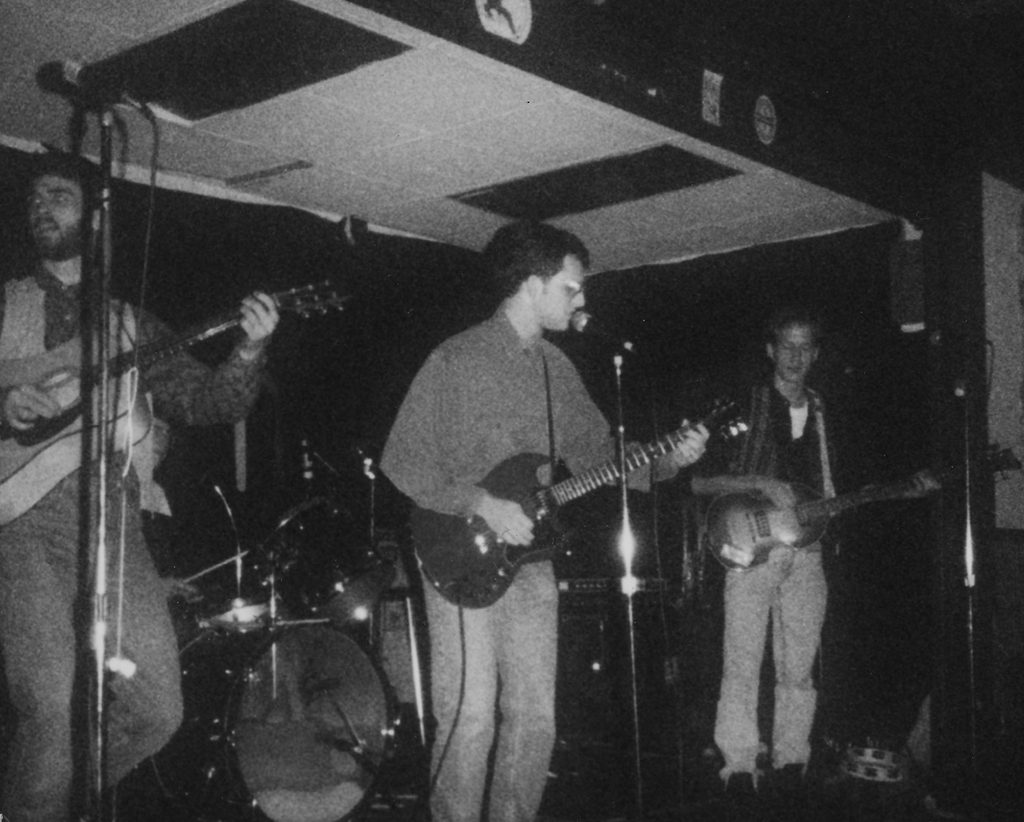
Even though a performing act can program a variety of music prior to a show, just being able to see the actual person behind the music becomes way more valuable in this day and age. Being known for playing live events adds to an artist’s trustworthiness. That trustworthiness grows even more in smaller venues where it’s far more difficult to pull off lip-syncing to your own songs (not AI, just an example of earning trust). People get to see you performing your music up close and personal.
#2 Be More Deliberate in the Creation Process
Not all of us have the ability to record all live instruments. Or, if you’re like me, you do have the “capability,” but not the “ability” to record all of the instruments in the best way possible. Take the drums, for instance. I can play them and have both an acoustic set (quite cheap) and an electric set. And I may try learning how to better record an acoustic drum set in the future. Right now, trying to do that and make it work for something that’s halfway decent to listen to would take literally forever.
So, the majority of my drumming will be produced via drum programming of some sort. I don’t have a problem with programmed drums if the music as a whole is backed by a real musician who plays, say, guitar or piano using learned skills. Now, a drummer might disagree, and I certainly understand. Playing the drums, and playing them well, is a whole other skill set that takes years to master. Heck, just being able to keep a steady beat, a simple beat at that, goes largely unnoticed these days by the average non-musician.
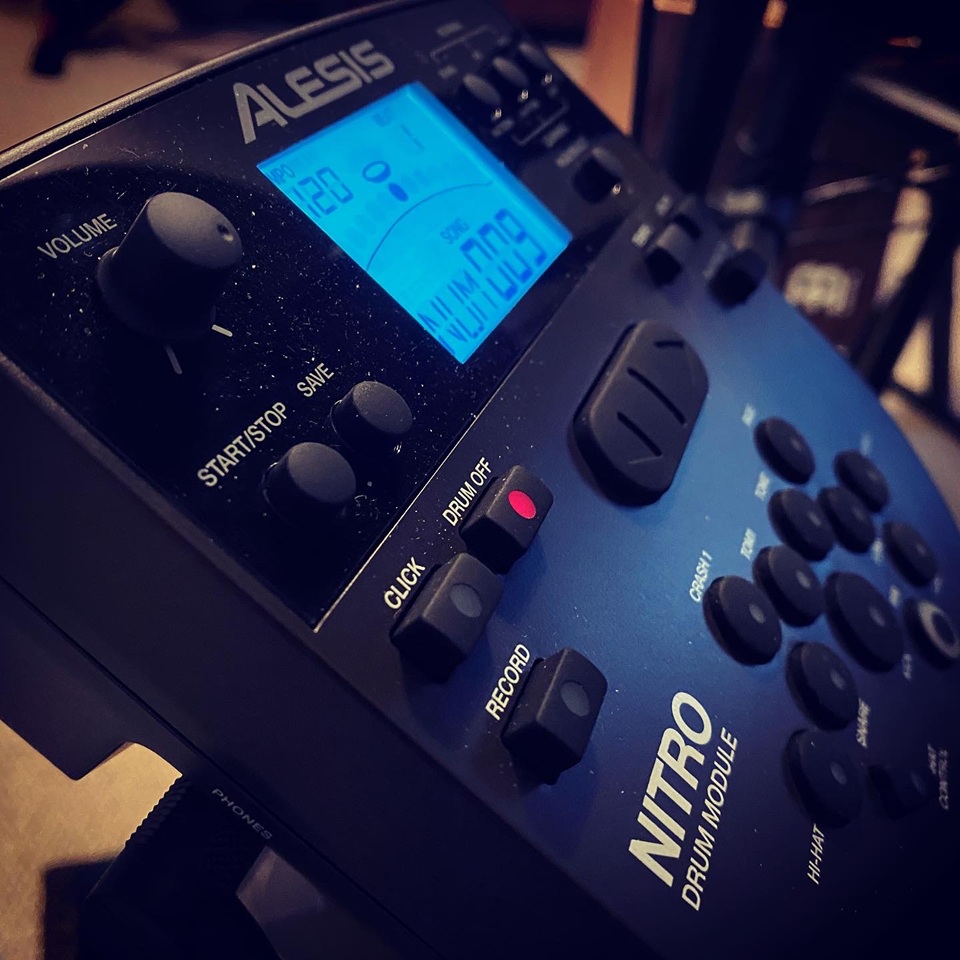
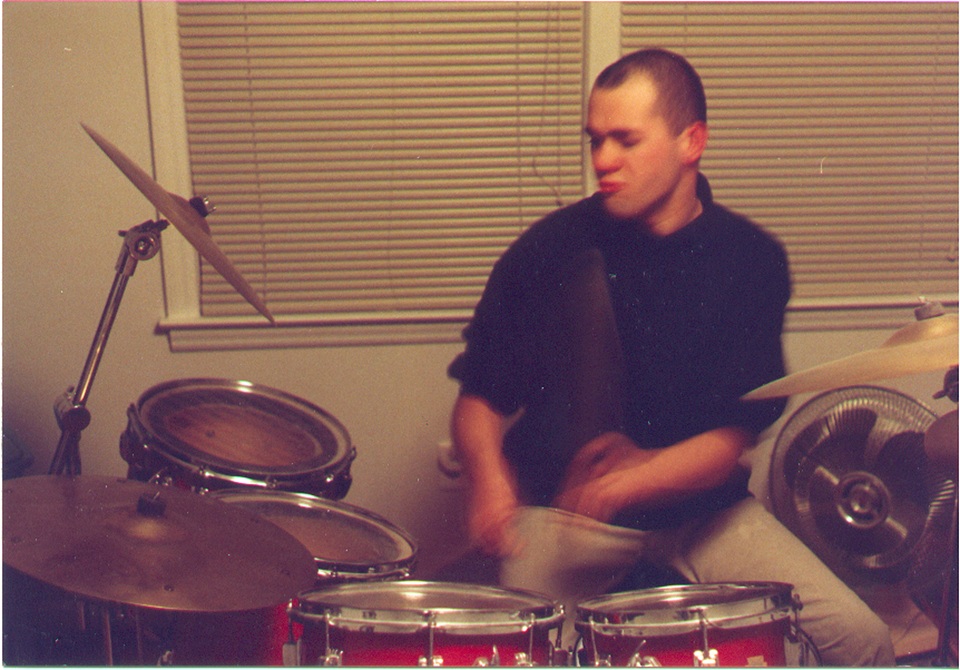
With that in mind, I try to program the drums at a level that a real drummer could easily duplicate. I can play the drums a little myself, so with every beat I try to imagine playing it sitting behind an acoustic drum set. If I don’t think a particular fill is possible, I’ll come up with one that IS possible for a real drummer. Hopefully, that makes sense.
Another similar post you might like: Why Bother Making Music?
Being known for taking the extra time to fine-tune your music (if it involves this type of programming, for example) so it stands out as something not solely based on the same repeated pattern over and over, I think, could make a real difference to some listeners.
Or… To really go the extra mile, you ( I ) could program the drums as stated above, then record the acoustic set as best we can over the top and find a good mix of both. Surely, that’s been done on many occasions in studios across the globe. Then there are those handful of bands out there that double down on the real thing by having two real human drummers on full acoustic kits. Those bands are out there… I WILL probably eventually try mixing one real drummer session with a virtual one, but I don’t see myself ever attempting the two-real-drummer thing…
#3 Show Behind the Scenes on YouTube and Social Media
I’m not talking about creating some massive social media following. I’m only saying that having an active online presence on some of the best-known platforms could be an advantage. Of course, it always has been, but now more than ever, showing the real people, or at least some of the real processes that took place behind the music, could really help to draw in those who are actively looking for “real” artists, creators, etc.
#4 Be Known for NEVER Using AI in Your Workflow
I’m not one for going around “hating” on this and that, or even AI. I don’t think “trash talking” anything really gets anywhere and just spreads negativity. Stating facts is different than “trash talking.” Facts: some music lovers love AI songs, and others do not. Many well-known and not-so-well-known artists are embracing AI in their musical workflows, and others are not. One way to stand out would be always to make a statement that NO AI was used in the making of this music, this song, whatever. I mean, I guess you could take it to the extreme, but I don’t think it’s all that necessary. You could place that one small sentence, “NO AI was used in the making of this music,” on every piece of media you put out into the world. I think some would appreciate and remember that. I would.
Kind of a caveat to the behind-the-scenes bit a few paragraphs above: you wouldn’t even have to make such a statement if you’re showing your processes in a YouTube video, for example, and they clearly indicate that NO AI was used.
#5 Create Unplugged Versions of Your Best Songs
If you write and record complete songs with lyrics, offer unplugged versions of some of your best stuff to your fans and followers. Or even a second version of EVERYTHING you create. On the one hand, they get the lighter version that they might like better (ya never know). On the other hand, it drives home the “I’m a real artist creating real music” idea even harder.
Another (somewhat) similar post you might like: Am I Too Old To Learn How To Play The Guitar?
#6 Go Full Speed Ahead With AI
The whole “If you can’t beat ‘em, join ‘em” mentality. I’m not sure that’s the route I would take right now; however, at the time this article is being written, I DO have a premium subscription to SUNO. I’ve only dabbled in it enough to know it can produce songs from literally nothing. Still, I have never posted anything created on that platform anywhere else claiming it as mine, or even posted it for fun.
It’s difficult to tell whether AI music will truly become mainstream. Many casual listeners really don’t care either way. They need something playing in the background of whatever it is they’re doing at the moment. With that in mind, many social platforms still allow 100% AI-generated content. YouTube, for example, still allows it, although I’d do a bit more research before committing to anything heavily drenched in AI anything. Their guidelines are changing all the time.
Bandcamp, probably the largest platform for independent musicians who want a little more control over their music and how fans can interact with it, stated back in Jan 2026 that “Music and audio that is generated wholly or in substantial part by AI is not permitted on Bandcamp.” Many, myself included (although I’m nobody), were very happy to see them take this stand. At least, there’s one place out there that remains a safe haven for real musicians creating real music.
I’m not a lawyer, nor an expert researcher on ANY topic, but when you read through parts of the United States Copyright Office’s Copyrightability Report, you will notice a lot of back-and-forth on what should be eligible for a copyright and what should not be when it comes to music, so much so that the future doesn’t look set at all. One day in the near future, we might see 100% AI-generated music granted full copyright protection. Seems crazy, I know, but… Right now, neither 100% AI-generated music nor music created with a substantial amount of AI assistance (whatever that means) can receive a federal copyright.
To Wrap Things Up
Artificial Intelligence ain’t goin’ nowhere, folks. The United States Copyright Office and Bandcamp are still holding strong, but AI is still here and “legal” to use. So, we have to figure out a way to co-exist, I guess. I’m not going to bash someone because they like an AI song. To each their own. But I DO want to cater more to those who prefer some level of real musicianship taking place in the home studio.
‘Till Next Time,

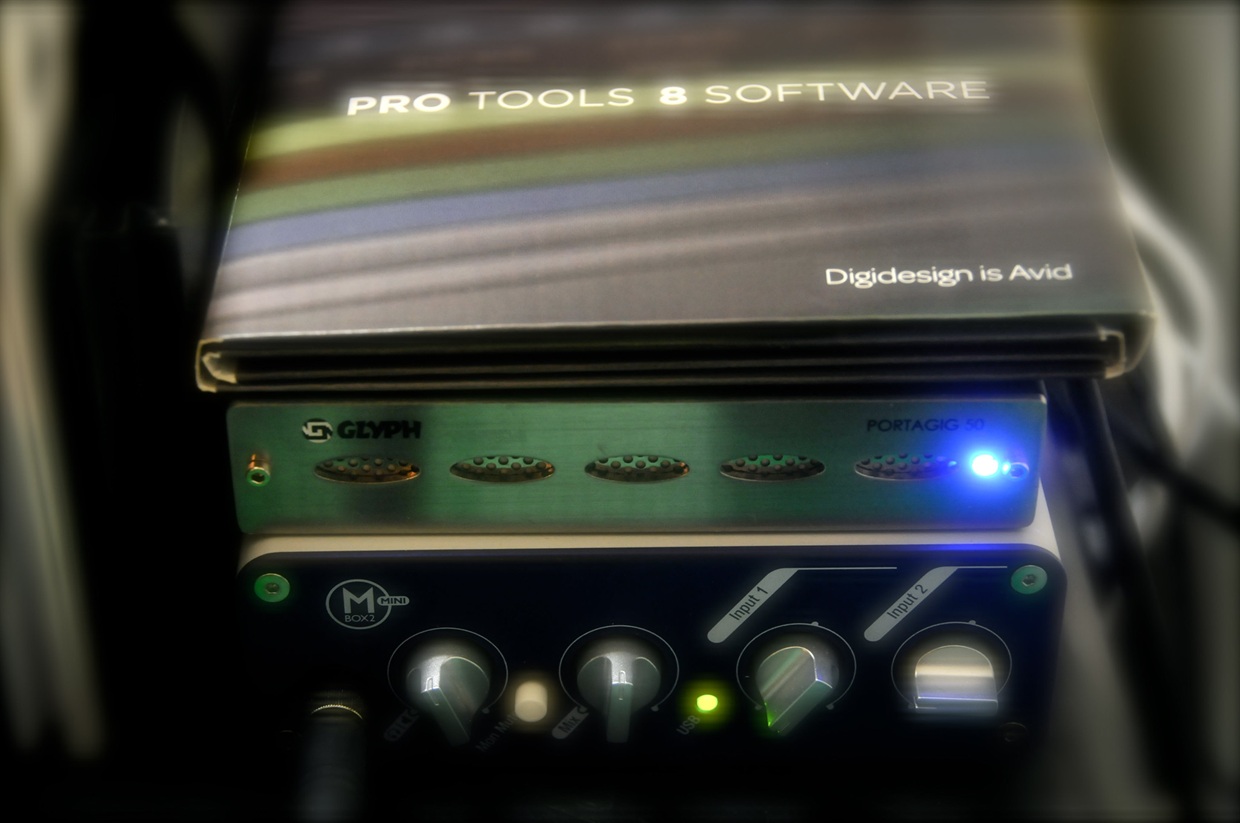
Featured Image: My older Pro Tools Mbox2 Mini audio interface that I purchased while in Afghanistan (Believe it or not). I’ve now switched to Logic Pro but may go back, who knows. Or, may include both in the future. Some write in Logic and record in Pro Tools…